Upload works!
I re-did the attempts from the last time in a less ambitious way, leading paradoxically to a working upload mechanism that allows me to replace the images in...
Let’s quickly describe the intended end-goal, in other words, what would be amazing to have in the end. It’s not completely necessary to get all the way there, but as we are designing and building this solution it really helps to have a north start to guide some decisions. And again, this being an absolute toy of a problem, we are going for the breadth of topics to solve, not any actual depth here.
Going back to the earlier chapter The Problem, we want to have a photo sharing, portfolio-style web application where users can upload up to 25 of their photos at a time and publish them to the world, with no more bells & whistles.
So, what needs to exist in the end? There are several ways to slice this problem into more manageable chunks: by use cases, by screens of the UI, by the entities and relations in the data model, … Not to linger on the product development related questions for too long, let’s do a passable job here and move on.
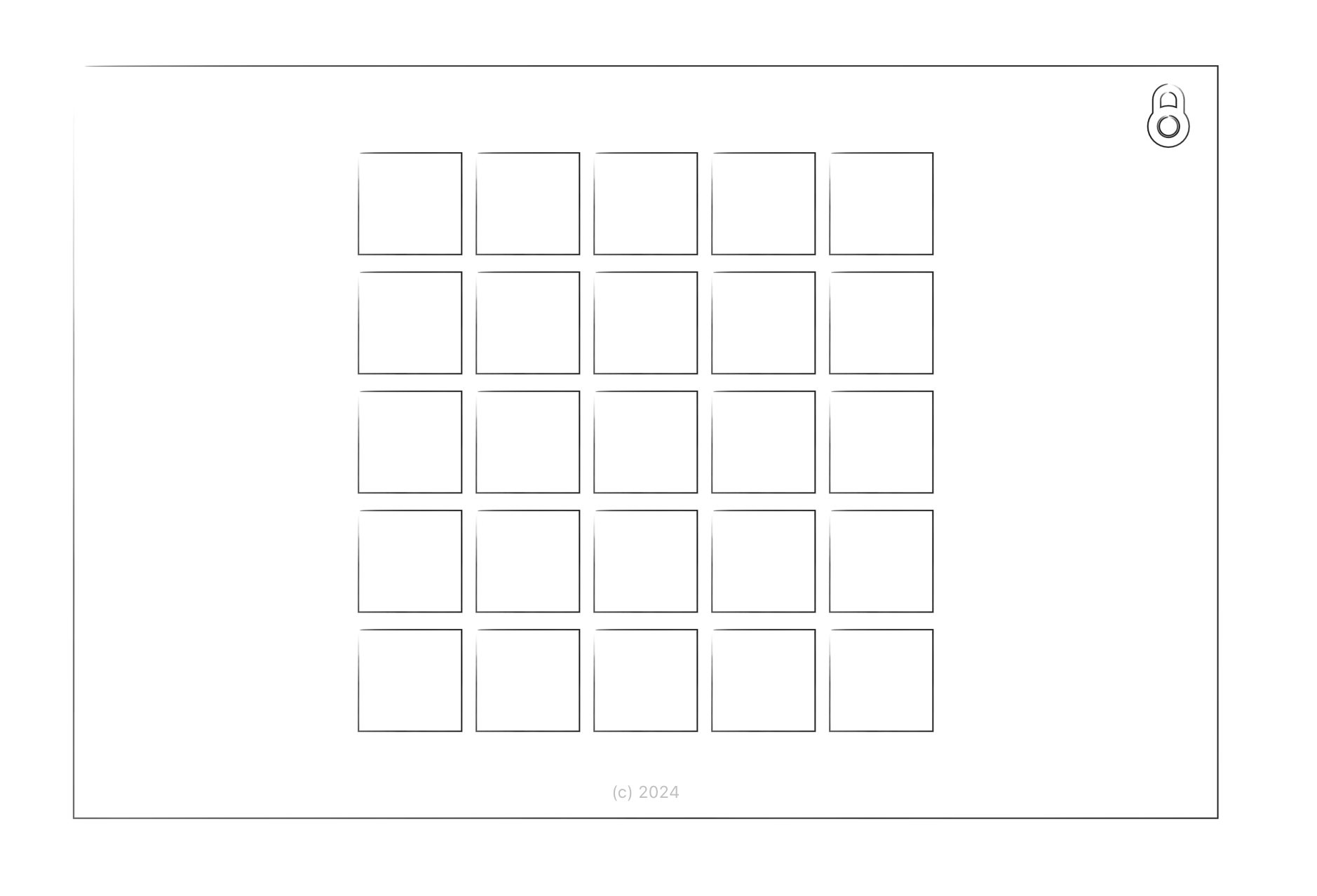
A visitor’s view of a single portfolio
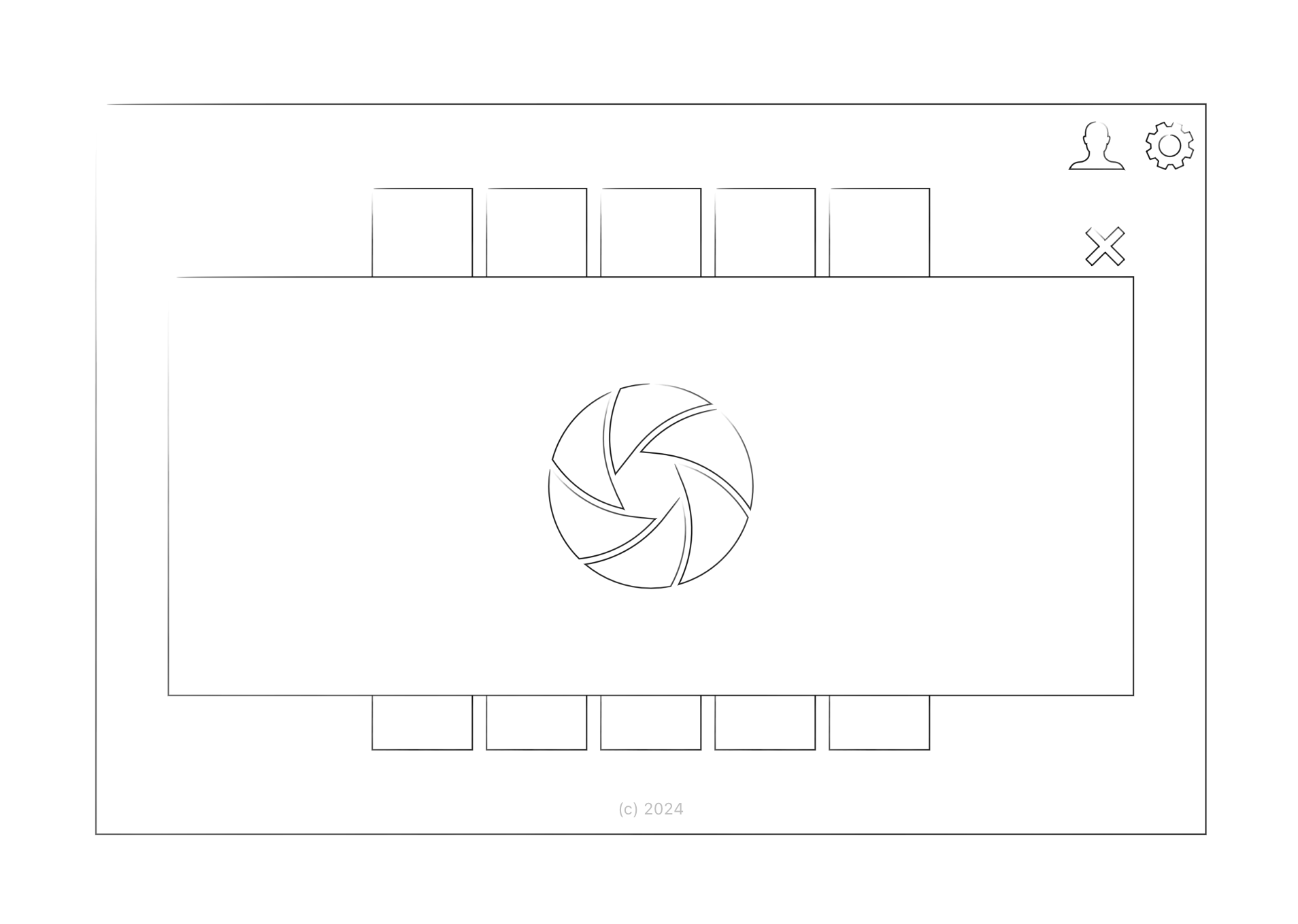
A detail view of a particular picture
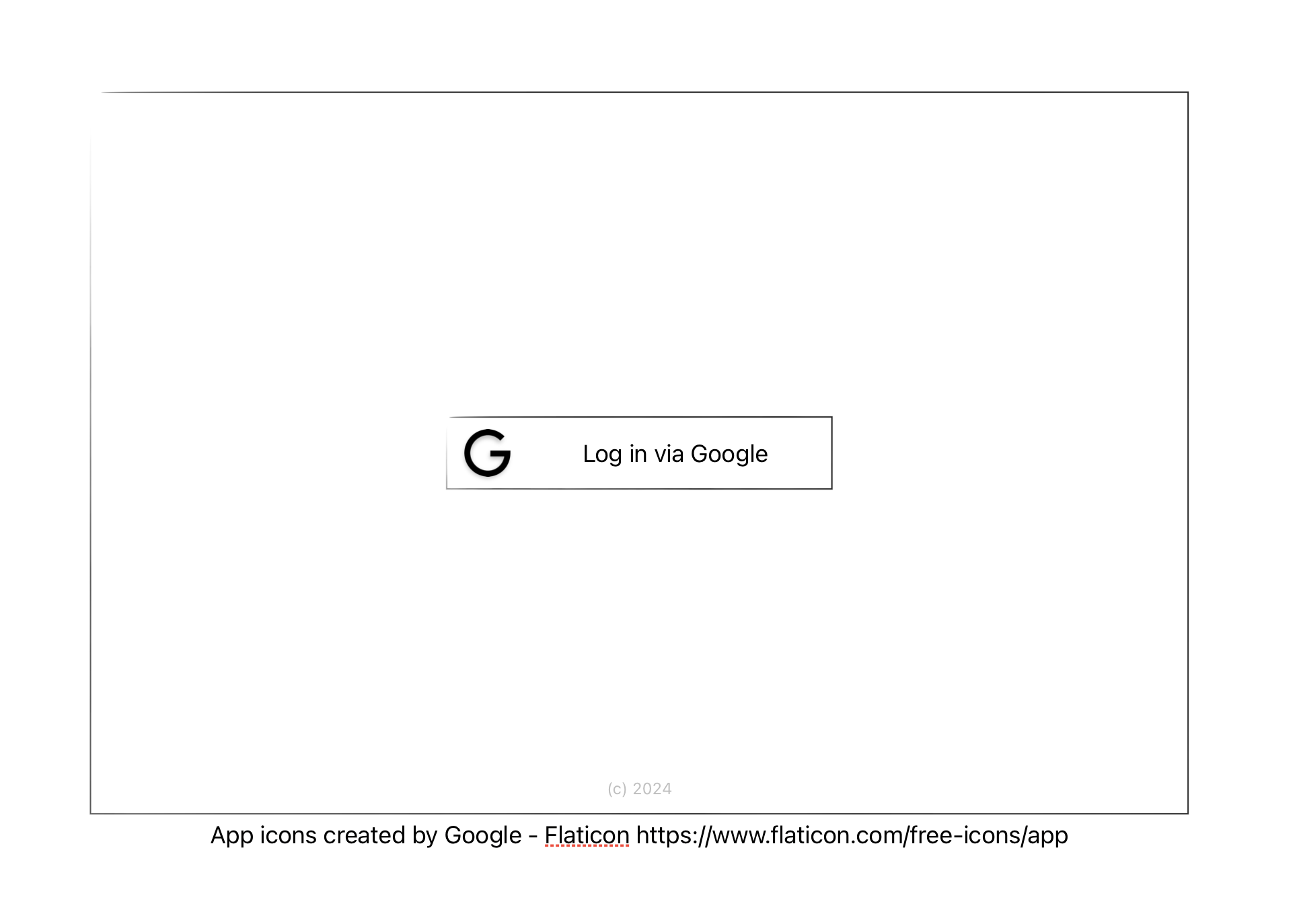
Login screen (amazing, right?)
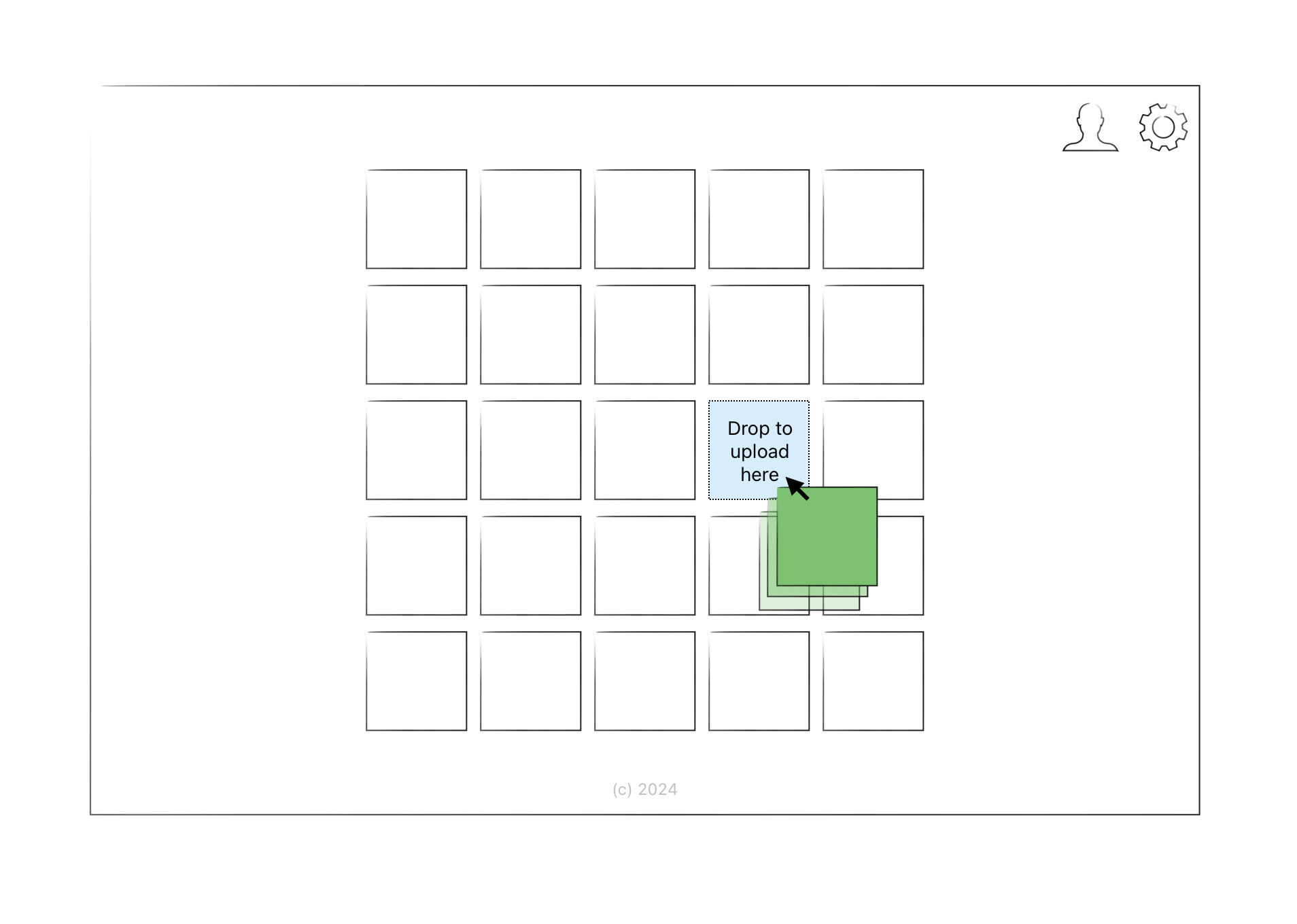
UI to upload a picture to a spot in the grid
Okay, guilty as charged, this is probably the thing I’ll start thinking about first every single time.
Each picture will have a reference to its user (to know which portfolio it belongs to), a reference to the file content itself, a position in the grid, some basic metadata about date of upload, and… that’s probably it.
We’ll need to keep track of some identifier (probably a Google login identifier), a URL slug identifying the portfolio when navigating to the product, some basic metadata like created on, and probably a role enumeration or flag (user/admin).
We are not going to keep track of the portfolios. Each User will get exactly one, an implicit one. Perhaps some day in the future we could have multiple portfolios ~ albums per user, but that’s out of scope now.
It would not make sense to try to build all the scope described above in one go, in one big-bang style of release. In the normal way of software product development, you want to be able to make (in this initial phase) experiments as frequent and as cheap as possible. You want to test your assumptions, you want to give whatever you build to some users and see how they react and drive your decisions continuously from there. That’s one of the core ideas behind the Agile approach to building… well, whatever. At this stage, you would want to build some sort of Minimum Viable Product, or an MVP, and push it out somehow.
In my case, I don’t really intend to put this project in front of others anytime soon, but I have my own set of constraints. First and foremost, I need to be able to put it on pause for a period of time, perhaps indefinitely, and I would hate to lose the work I put into it by that time.
Ah yes, throwing around terms like “MVP” and “Agile” while admitting you might abandon the project indefinitely – how perfectly on brand for a developer’s side project.
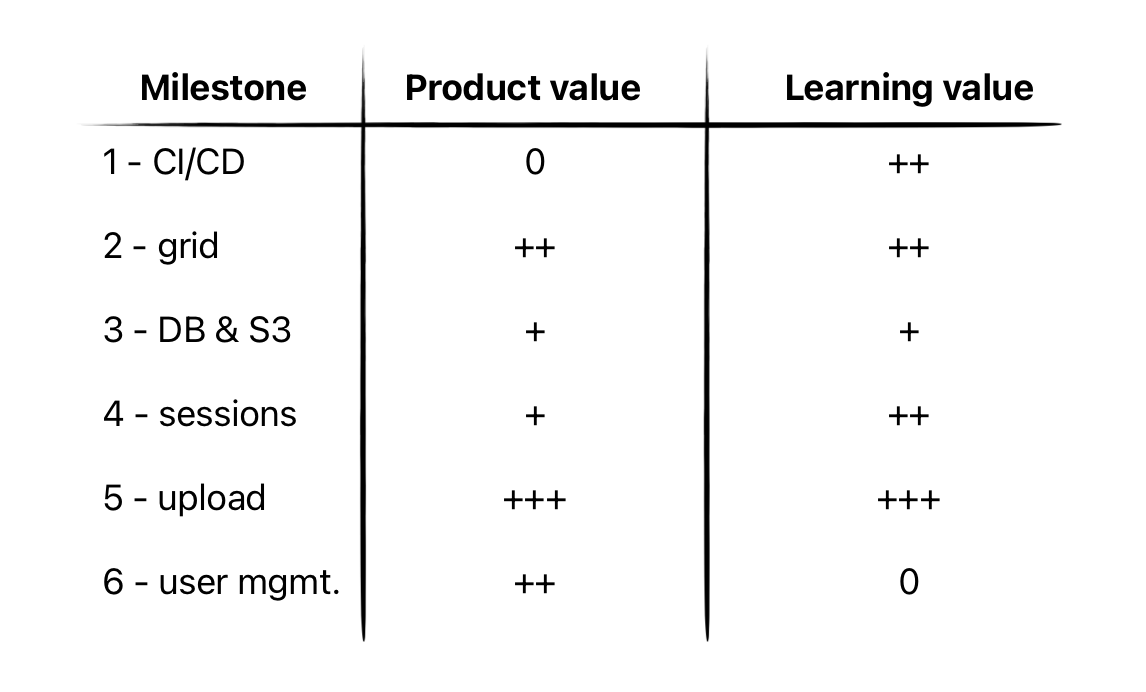
For the first milestone I intend to have the full automated pipeline from Git all the way through running some basic tests in the Continuous Integration, to delivery to a “production” environment via Continuous Delivery. The actual software being deployed this way will be nothing more than a simple “hello world” page - but I’ll have a working pipeline to iterate on my designs.
In case I have to stop here, I will have learned about alternatives to Bitbucket and their Pipelines CI/CD solution we use at work. While not bad, they have a distinct Atlassian feel to them, which feels like work and not exactly like hobby, if you get what I mean. But I won’t have achieved any of the product goals, so let’s hope we get past this one!
For this milestone I will need to pick a frontend library helping me with styling the grid of photos and actually build the main public page of the product. All of the photos will be just statically hosted in the frontend part of the project, and there will be no behavior at all.
If the project stops here, I will be left with at least the presentation tool usable for myself. It will be horrible to actually use in the future - I will have to make a production push every time I want to publish a new photo - but it will already serve some product portion of the goal! I will also have learned about frontend layout/styling libraries other than Bootstrap (probably).
Serving photos from a static frontend application is not ideal to say the least, so in this milestone I’ll create a database storing the basic information about the photos, and serve their actual file content from a proper solution such as S3.
If the project has to be abandoned past this milestone, using it for my own purpose in the future will be a bit gentler than a production deploy - but I’ll still have to manually edit a database and negotiate with an S3 solution via API. Which is not that bad, considering AppSmith exists 🤔
By this time, I will be getting closer to being able to manage the photos in a way that’s not absolutely obnoxious, but as this should be users managing their own photos (and not some random visitor instead), there needs to be a way to authenticate users and distinguish between “visitor” and “logged out”.
Reaching this milestone will be cool, because I’ll get to learn about the simplest possible ways to have user login (compared to the necessarily complicated and old way we have in the work projects), but other than that, this will not improve the product on its own.
In this milestone I will add the ability for a logged-in user to actually upload a photo to the portfolio and start displaying it 🎉
The product value of this goal is undisputed, I would be amazingly happy to get here. Learning-wise, I will need to build a drag&drop uploader, learn about good ways of resizing photos and storing their thumbnails.
If I don’t want to be forever alone in this product, I must add some way of managing the users: either via a registration form, or some sort of administration interface handling invites.
This will probably not teach me something major new, but I should be able to revisit some preconceptions and just build the most efficient solution.
We’ll cross this bridge if we get to it 🙂
There is a lot that will have to go into these milestones on top of what I wrote, which is why the next few posts in this blog are going to be around the various challenges I’ll face.
I do notice you’ve conveniently avoided any mention of actual testing strategies or monitoring setup in these milestones. Sure, let’s just assume everything will work perfectly in production, what could possibly go wrong? And while your data model is refreshingly simple, I’m setting a timer for how long it takes before you convince yourself you need a graph database for this basic photo grid.
Good points, Dušan! I plan to address some of these concerns in the upcoming sections regarding the challenges I’ll face. Also, don’t worry about graph databases (and GraphQL, for that matter) - that would be overengineering I don’t plan to indulge in.
I re-did the attempts from the last time in a less ambitious way, leading paradoxically to a working upload mechanism that allows me to replace the images in...
The time, energy and motivation I can muster for the project in the past weeks is dwindling, which is probably obvious also from the gap since the last blog ...
Rant
Goal
Goal
Goal
Premise
Let’s face it, the CI/CD we set up last time was pretty lame, in that it did absolutely no building and just published a static HTML. So the goal today is to...
The goal today is to reach Milestone 1, in other words, have a trivial HTML file in my repository, and a hosting set up to receive it via a CI/CD process.
As you can plainly see, the blog is available online on blog.twentyfive.tech! It’s been that way since yesterday, and it was mostly smooth sailing to get her...
Challenge
Organization challenges
Architectural & Infrastructural challenges
Development challenges
Challenges
The End Goal
The Methodology
This blog & project x AI
The Motivation
A.k.a., what are we even trying to solve, and why?
Welcome to this blog! It started out in December 2024 as a way to write technically about a pet project to sharpen some of my skills.